Sillagwon (신락원): The Old-School Jeonnong-dong Chinese Spot Where Less Really Is More
A Restaurant That’s Been Around Longer Than Most K-pop Fandoms
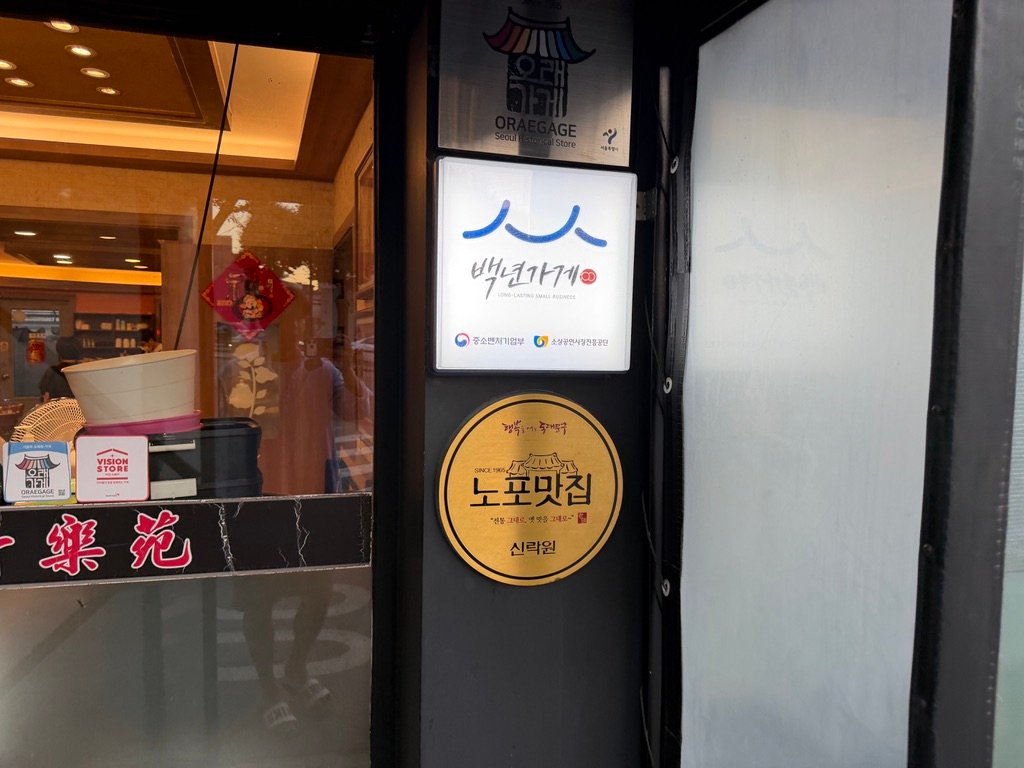
Tucked into the Jeonnong-dong intersection area of Dongdaemun-gu, Sillagwon isn’t trying to impress you with neon signage or a minimalist interior. It doesn’t need to — it’s been quietly perfecting its craft since 1965, and it wears the “노포맛집” (old-established eatery) badge and the government-recognized “백년가게” (Hundred-Year Store) certification right on its front door like a chef’s medal of honor. In a city where restaurants seem to rotate faster than seasonal menus, a Chinese restaurant surviving six decades is basically a local legend.
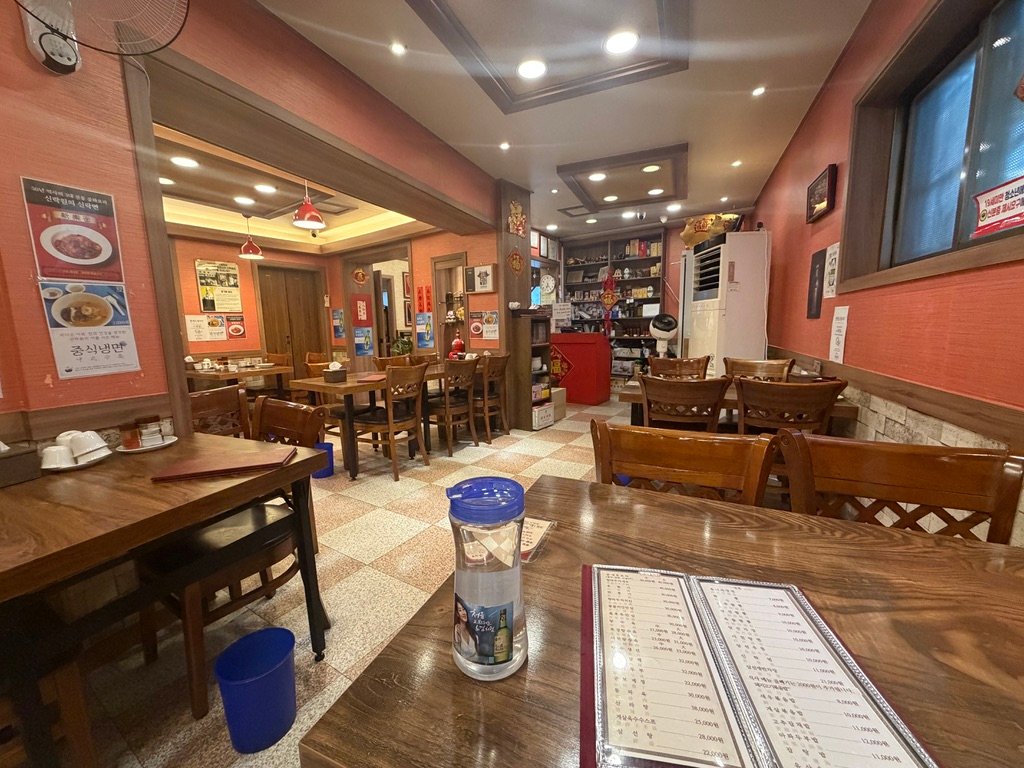
Step inside and the vibe is warm, slightly retro, and unapologetically old-school — red walls, wooden tables, framed newspaper clippings of the shop’s history, and a laminated menu that’s clearly seen a few thousand orders. It’s the kind of place locals quietly love and rarely feel the need to shout about.
The Flavor Philosophy: Subtle, Not Screaming
Here’s the thing about a lot of Korean-Chinese restaurants — they lean hard on MSG and heavy seasoning to make an impression fast. Sillagwon does the opposite. The seasoning here is noticeably restrained, almost gentle, which honestly made me pay more attention to the actual ingredients instead of just the sauce. It’s what I’d call “슴슴하면서도 맛있는” — mellow, understated, but genuinely satisfying. If you’ve been chasing bold MSG-loaded flavor bombs your whole life, this place might just recalibrate your palate.
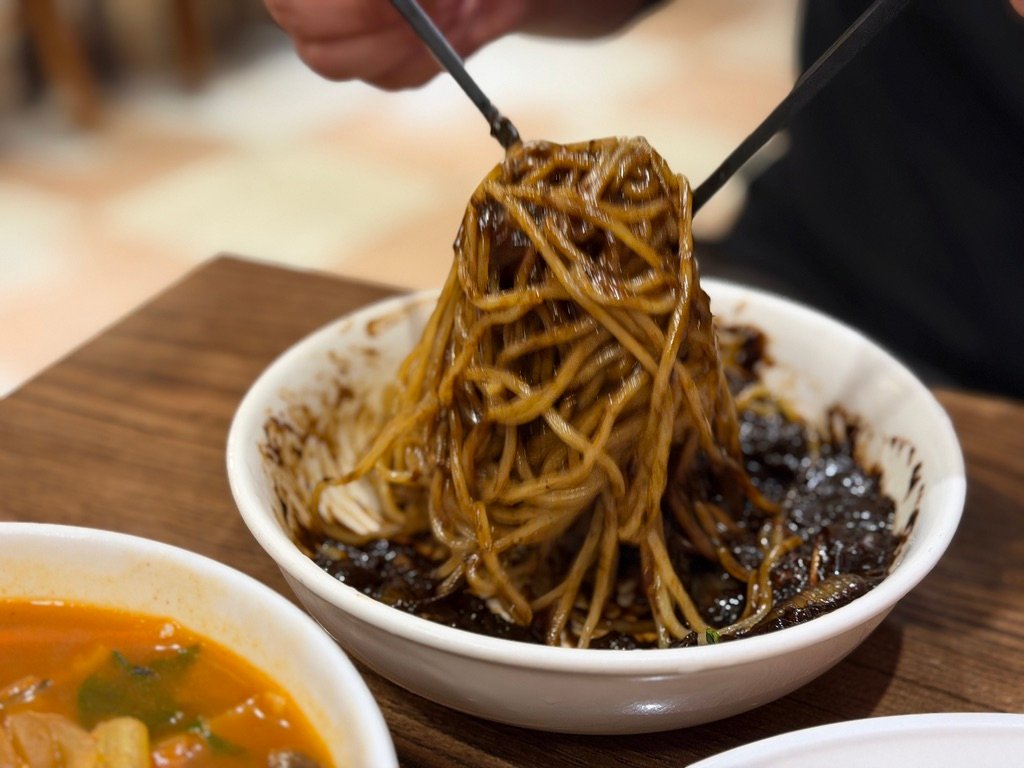
Uni-Jjajang: The Sauce Stays On Top, and So Does the Flavor
Unlike a regular jjajangmyeon where the sauce gets mixed straight into the noodles, uni-jjajang (유니자장면) keeps the glossy black bean sauce sitting proudly on top of the noodles — a style that’s become something of a specialty dish in its own right at old-school Korean-Chinese joints. The sauce here has real depth without being overly sweet or salty, and the noodles had that satisfying springy chew that separates a good jjajangmyeon from a forgettable one.
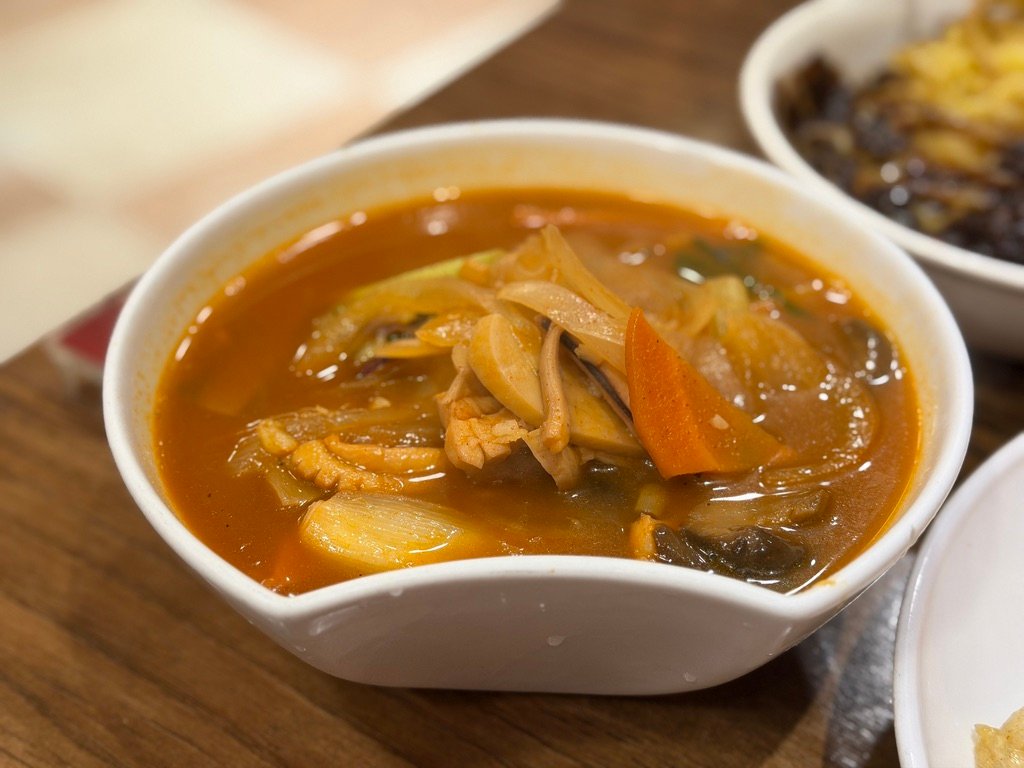
Jjamppong That Doesn’t Try to Set Your Mouth on Fire
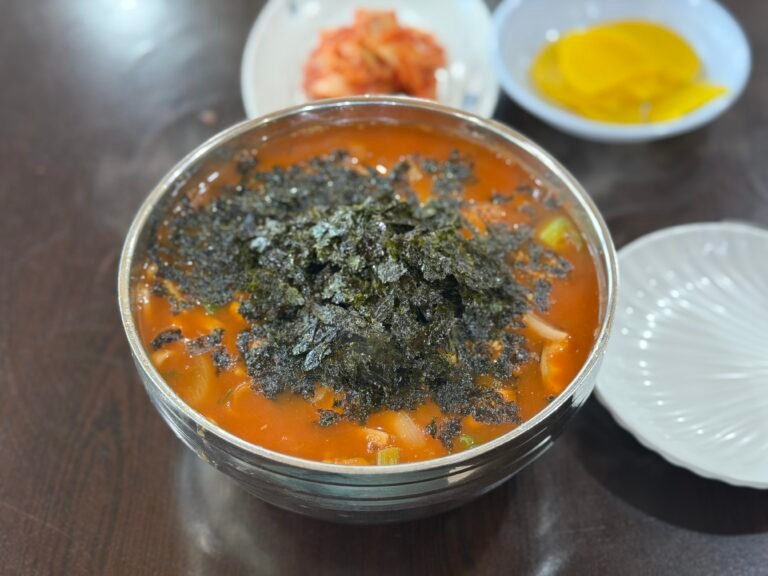
he jjamppong followed the same philosophy as everything else on the table — a well-balanced broth with a gentle heat rather than an aggressive, sinus-clearing spice level. You could actually taste the seafood and vegetables instead of just chili oil, which, again, is rarer than it should be.
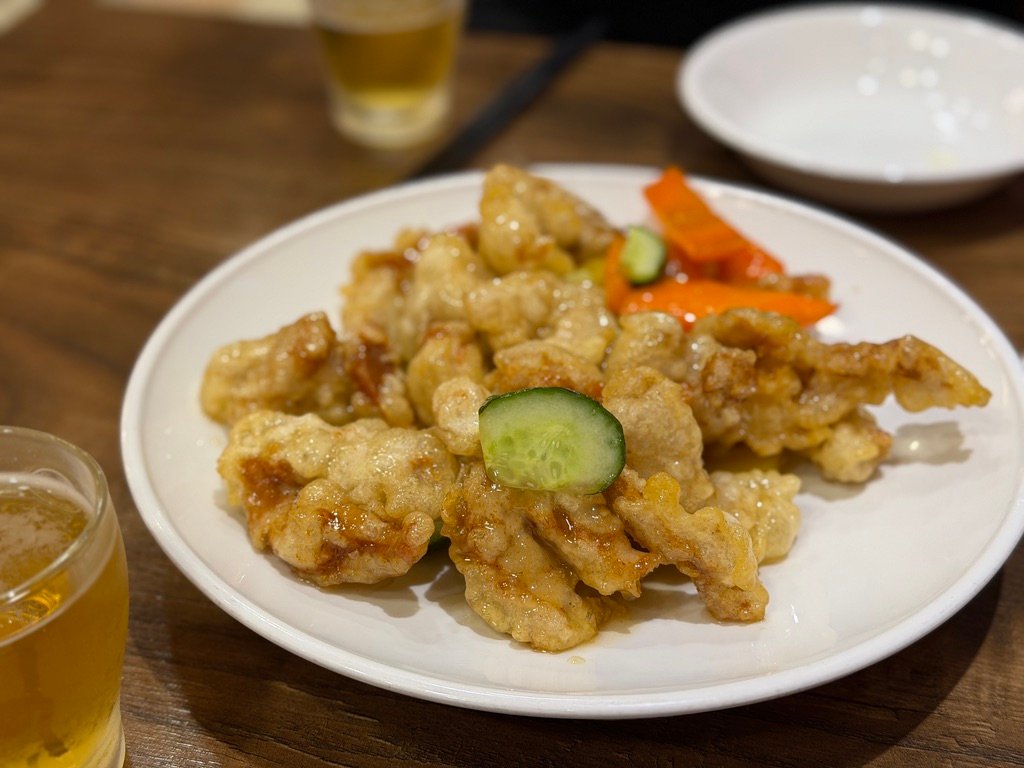
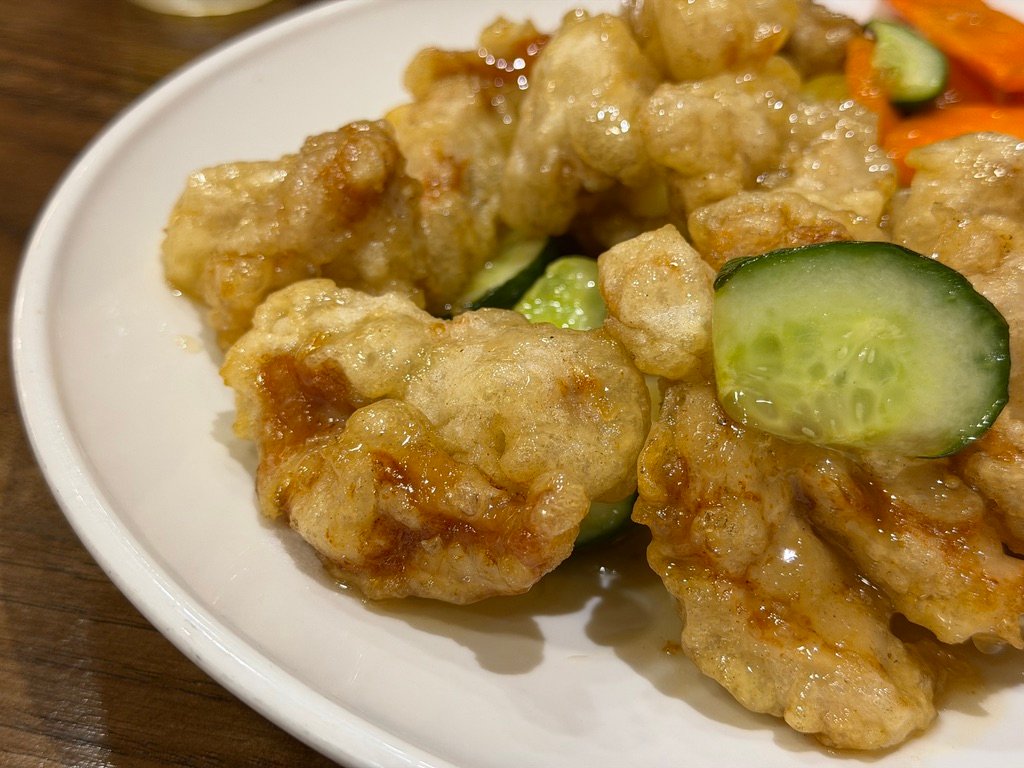
The Tangsuyuk: Sillagwon’s Signature Move
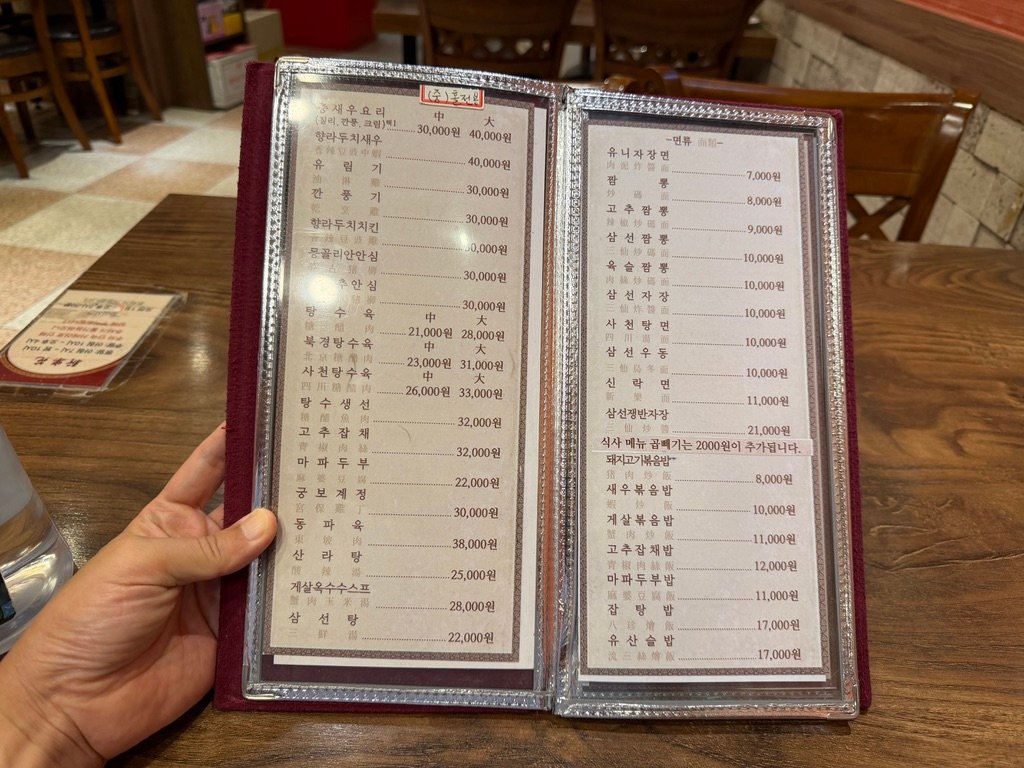
If there’s one dish that defines this place, it’s the tangsuyuk (탕수육). The batter is light and crisp rather than heavy and greasy, and the meat inside stays tender — the sign of a kitchen that hasn’t gotten lazy after 60 years. What’s genuinely impressive is that the menu offers three separate tangsuyuk styles: the classic version, a Beijing-style (북경탕수육), and a Sichuan-style (사천탕수육) — a level of specialization you don’t see at your average neighborhood Chinese spot. This isn’t a “one tangsuyuk fits all” kind of place.
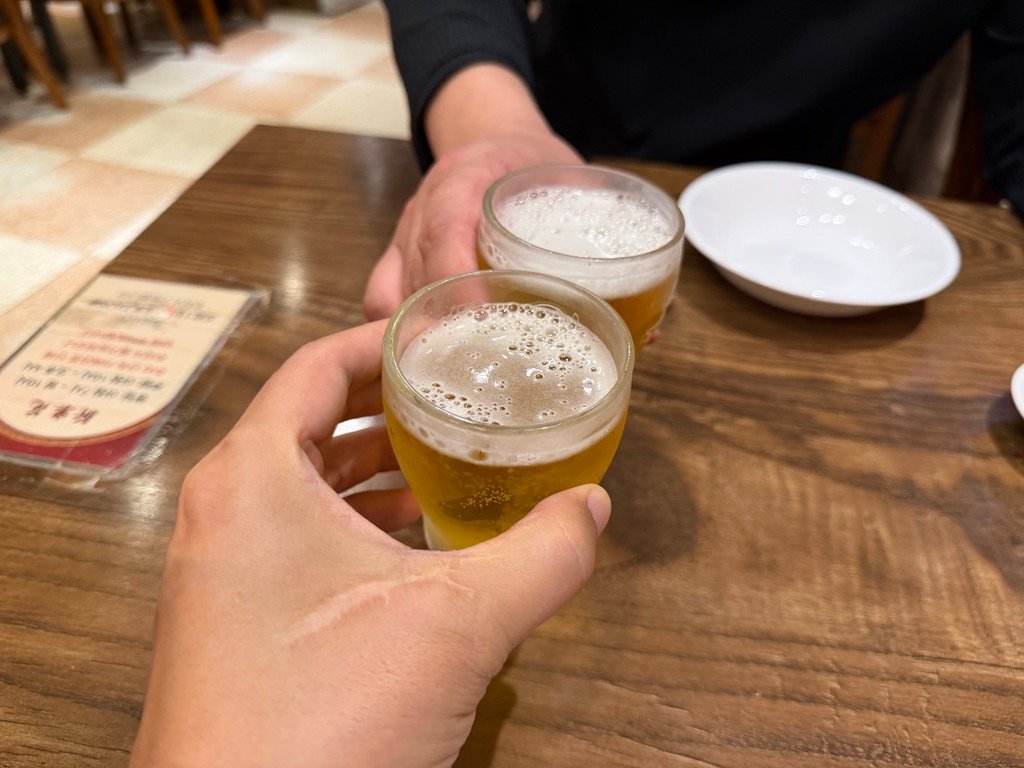
Round One: Beer, Because That’s How Every Good Night Starts
Every proper Chinese-food session in Korea has an unofficial drinking order, and we followed the script — starting with beer alongside the tangsuyuk and jjamppong. Crisp, cold, and doing exactly the job it’s supposed to do: cutting through the richness of the fried pork and prepping the palate for round two.
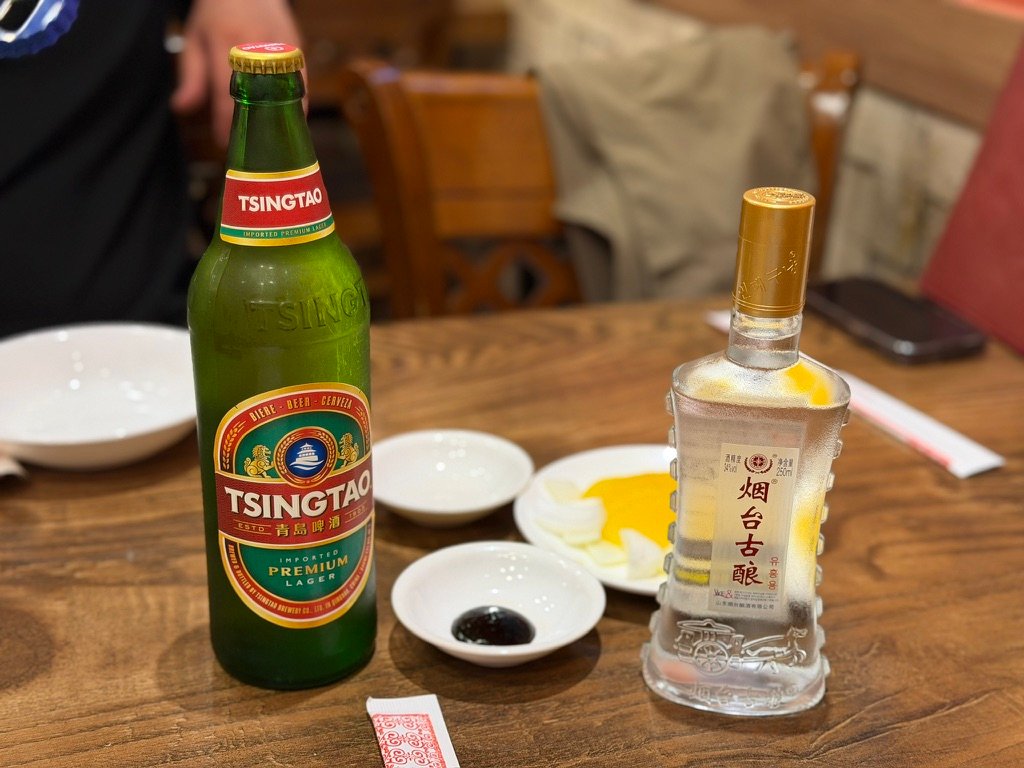
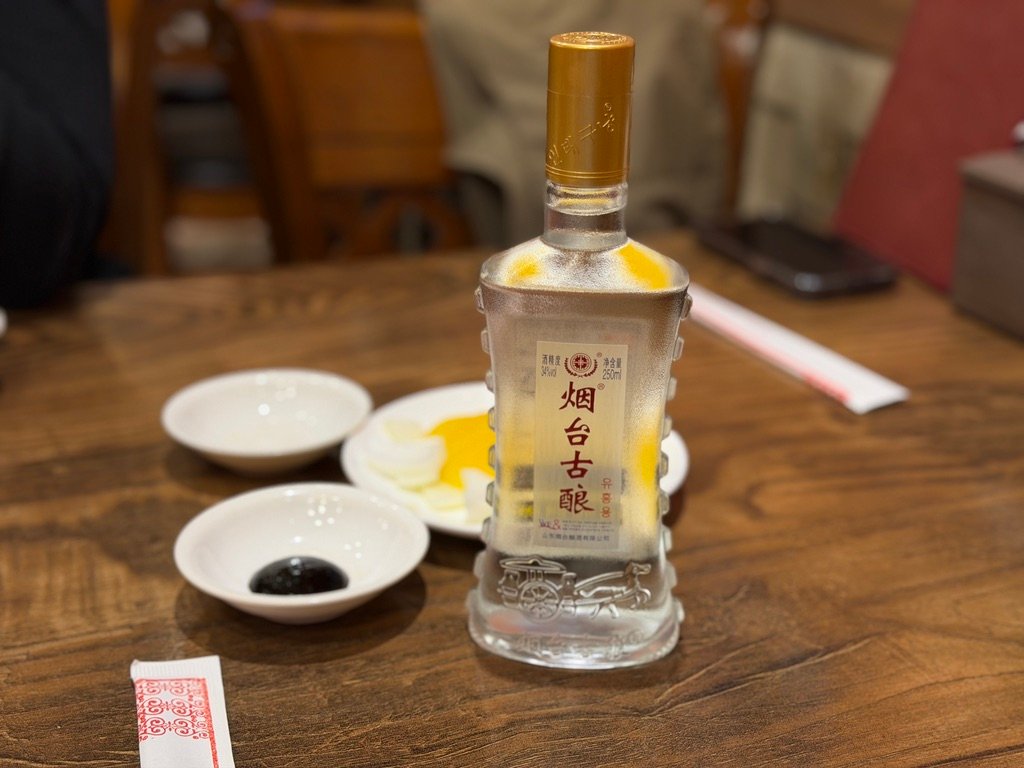
Round Two: Yantai Guniang — The Real Chinese Restaurant Experience
Once the beer buzz settled, we moved on to the main event: Yantai Guniang (연태고량주, 烟台古酿), a Chinese baijiu-style liquor at 34% ABV. This is where the meal shifted from “casual dinner” to “authentic Chinese restaurant ritual.” Poured into tiny glasses and sipped alongside the remaining tangsuyuk, it has that distinctive grain-liquor punch that pairs surprisingly well with fried, savory food — a strong finish, both literally and figuratively.
If you’ve never tried it, think of it as the Chinese answer to soju, except with more personality and a much higher proof.
Good to Know Before You Go
Prices sit a notch above your average delivery-jjajangmyeon spot, which makes sense given the ingredient quality and the decades of reputation behind it. This isn’t a quick lunch-counter meal — it’s a proper sit-down Chinese restaurant experience, the kind worth booking a table for with a couple of friends and a plan to stay a while.
Pros & Cons
Pros
- Genuinely balanced, MSG-light seasoning that lets real flavor come through
- Three distinct tangsuyuk styles to choose from
- 60 years of history and an official Hundred-Year Store certification
- Great pairing spot for beer-then-baijiu drinking sessions
Cons
- Pricier than typical neighborhood Chinese restaurants
- Interior is functional/retro rather than trendy or Instagram-styled
- Popular enough that peak dinner hours may mean a wait